
Last Sunday I wrote that the market counts votes. This week there were no votes to count: no Fed meeting, no Iran deal, no Micron report. Yet the Nasdaq set new records two days in a row, while the US 10-year yield rose to its highest level since 2007. My reading is that the market is pricing an economy running hot, not a central bank that got it wrong. Wednesday will tell.
1Nasdaq: new record, and the 10-year didn't biteThe records came on Monday and Tuesday, driven by AI chips after Meta launched an AI agent. Then came what should have stopped the rally: the US 10-year yield went from just under 5% to above 5.2%, and oil to 108. The Nasdaq gave back less than 1%.
That is not how it usually looks. The Nasdaq normally likes lower rates: tech companies are valued on profits years ahead, and the higher the rate, the less those profits are worth today. But it depends on why rates rise. If they rise because the economy is running hot and profits are growing, profits can grow faster than the rate eats them up. That seems to be the situation now: AI companies' profits are growing by tens of percent, and then a few tenths on the yield weigh little. In the autumn of 2023, 5% on the 10-year was enough to knock the Nasdaq down 10%. Today the yield is higher and the Nasdaq is at a record. The difference is the profits.
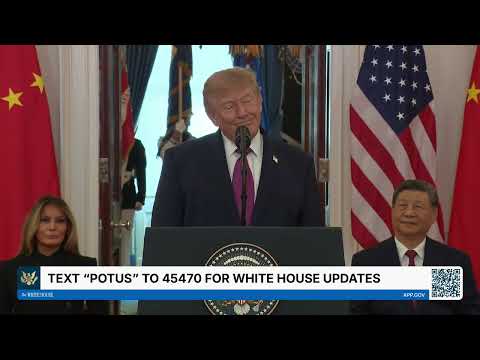
2Xi in Washington: friendly, but nothing solvedTrump and Xi agreed on a "stable relationship", a dialogue on AI and two pandas. Nothing on the dollar, as expected. Taiwan: Xi demanded that the US oppose independence, Trump replied that Xi "knows how I feel", and the arms package for Taiwan has been frozen since May. If it stays frozen, I read it as a bargaining chip ahead of the next meeting in Shenzhen. If it is released, expect Beijing to respond. Iran: China refuses to join the blockade but still buys only half as much Iranian oil as before the war.
3Two wars keep oil above 100On Thursday the Houthis fired missiles at Saudi Arabia, among them at the port where Saudi has moved its exports, and Brent went to 108. The same day came news that the US and Iran are talking about reopening Hormuz step by step, with Qatar mediating, and oil fell back to 104. If there is a deal, Brent can probably fall towards 95. If the talks collapse, 108 is likely just a first step. The other war is less visible: Ukraine knocked out six Russian refineries in one week, among them Moscow's own. It is diesel and petrol that disappear, not crude, so the price at the pump will probably stay up even if Brent falls.
The dollar rises on rates, not on strengthThe dollar index is at its highest level in two months. The dollar rose against the yen to just under 160, the level where Japan's finance minister says she is ready to step in together with the US, as this summer. If the dollar goes above it, the probability of a new intervention rises. The Riksbank, last week's test, was unanimous that hikes are coming, but the krona barely moved.
The week ahead- Wednesday 14:30 Swedish time: PCE, the Fed's own inflation measure. Micron reports in the evening.
- Friday 14:30 Swedish time: the jobs report. Expected to show clearly fewer new jobs than in August.
- The Hormuz talks. Every headline moved oil several dollars this week.
The path to new records runs through Wednesday: PCE in line with expectations or lower, Micron delivering, and Hormuz talks that take oil towards 95. Then the 10-year probably falls back below 5%, and a jobs report cooler than August without collapsing does the rest. Risk off looks like this: PCE clearly above expectations, Micron missing after a rise of several hundred percent this year, or talks that collapse and Brent back at 108. Then the probability rises that the yield tests 5.5%, and a dollar above 160 against the yen would add fuel to that. My hypothesis: the records hold as long as yields rise because profits grow. If they rise because inflation bites with no growth behind it, the old rule applies again. Wednesday will show which.
 ▶
▶